

Oran, Algeria Travel Guide 2026: Best Things to See, Do & Experience on the Mediterranean Coast
By Sandy Marshall
Oran, Algeria Travel Guide 2026: Mediterranean Light, Rai Music & North Africa’s Overlooked Port - A cultural and practical guide to Oran’s fortifications, rai music heritage, waterfront atmosphere, and travel planning considerations


On Algeria’s northwestern coast, facing the Mediterranean, Oran rises in white facades and hillside fortifications. It is a city shaped by layers — Berber roots, Ottoman influence, Spanish fortifications, French colonial architecture, and post-independence Algerian identity.
While Algiers often receives the spotlight, Oran offers something slightly different: a looser rhythm, a strong musical heritage, and dramatic coastal views framed by arid hills.
For 2026 travellers looking beyond the usual Mediterranean circuit, Oran represents North Africa without cruise-ship congestion.
Fort Santa Cruz: The City from Above
Perched high above Oran, Fort Santa Cruz dates back to the Spanish occupation in the 16th and 17th centuries. The ascent — by road or organised transport — rewards visitors with panoramic views of the city, port, and sweeping coastline.
The nearby Chapel of Santa Cruz adds another architectural layer to the hilltop landscape.
Travel tip: Visit in late afternoon for softer light and clearer air. Summers can be intensely hot.
The Waterfront & Mediterranean Atmosphere

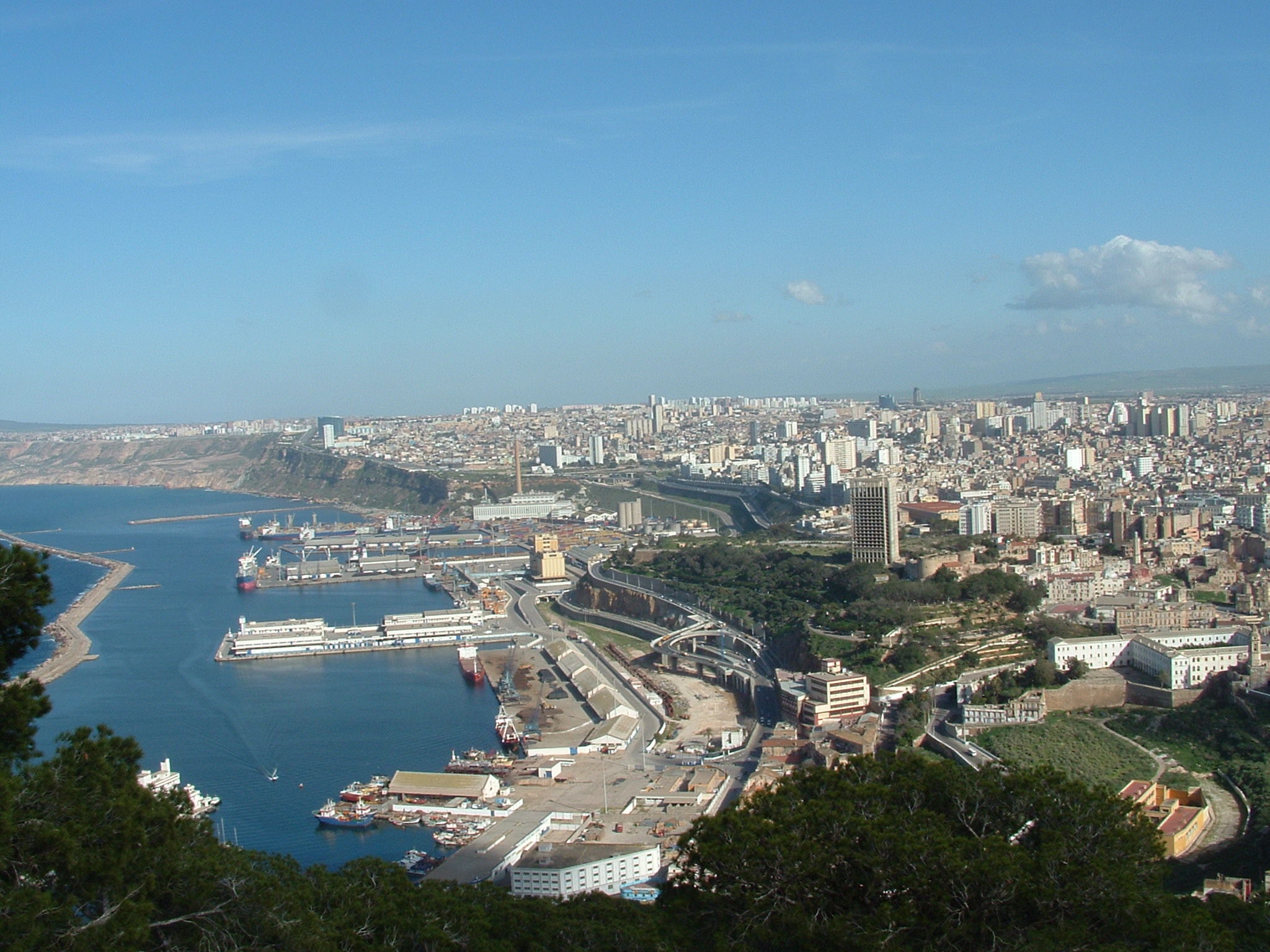

Oran’s seafront promenade and port area reflect its maritime character. The Mediterranean here feels less commercialised than in parts of southern Europe. Fishing boats and cargo vessels share the horizon.
Cafés line central boulevards where mint tea and strong coffee anchor daily routines. The architecture reveals French colonial geometry blended with North African textures.
This is a place for observation as much as itinerary.
Rai Music: Oran’s Cultural Export
Oran is widely regarded as the birthplace of rai music — a genre that emerged in the 20th century blending traditional Algerian melodies with modern influences.
Artists like Cheb Khaled helped carry rai to international audiences. Though music scenes evolve, the city’s identity remains closely tied to this expressive, often socially reflective sound.
Travellers may encounter live performances in cultural centres or local venues, particularly during festival seasons.
Museums & Cultural Institutions
The Ahmed Zabana National Museum provides archaeological and historical context for the region, including Roman-era artefacts and exhibitions tied to Algeria’s independence movement.
Mosques, churches, and colonial-era buildings coexist within the urban grid, reflecting Oran’s layered past.
Practical Travel Notes for 2026
Algeria requires visas for many Western travellers, and entry procedures should be reviewed well in advance. Infrastructure in Oran supports international flights and regional rail connections, though tourism services are more limited compared to Morocco or Tunisia.
French and Arabic are widely spoken. English usage in hospitality sectors is increasing but not universal.
Best travel window: Spring (April–June) and autumn (September–November) offer more moderate temperatures.
Memento to consider: Traditional Algerian ceramics, woven textiles, or locally crafted metalwork purchased from reputable artisans.
Coastal Excursions & Surrounding Landscapes
Beyond the city, beaches and rocky coves stretch along the Mediterranean coastline. Inland hills offer arid scenery contrasting with the sea.
The nearby town of Mers El Kébir carries historical significance tied to World War II naval events.
While tourism infrastructure remains developing, that relative quiet is part of Oran’s appeal.
Why Oran in 2026
As global travellers increasingly seek destinations outside heavily saturated Mediterranean circuits, Algeria’s western port offers authenticity without overtourism.
Oran does not present polished resort uniformity. It offers lived-in streets, coastal light, and music born from social change.
For travellers willing to navigate visa logistics and approach with cultural respect, Oran stands as one of North Africa’s more compelling under-the-radar cities.
Discover more from Travel Digest
Subscribe to get the latest posts sent to your email.
